
Categories
Archives
Search
Category: Leadership
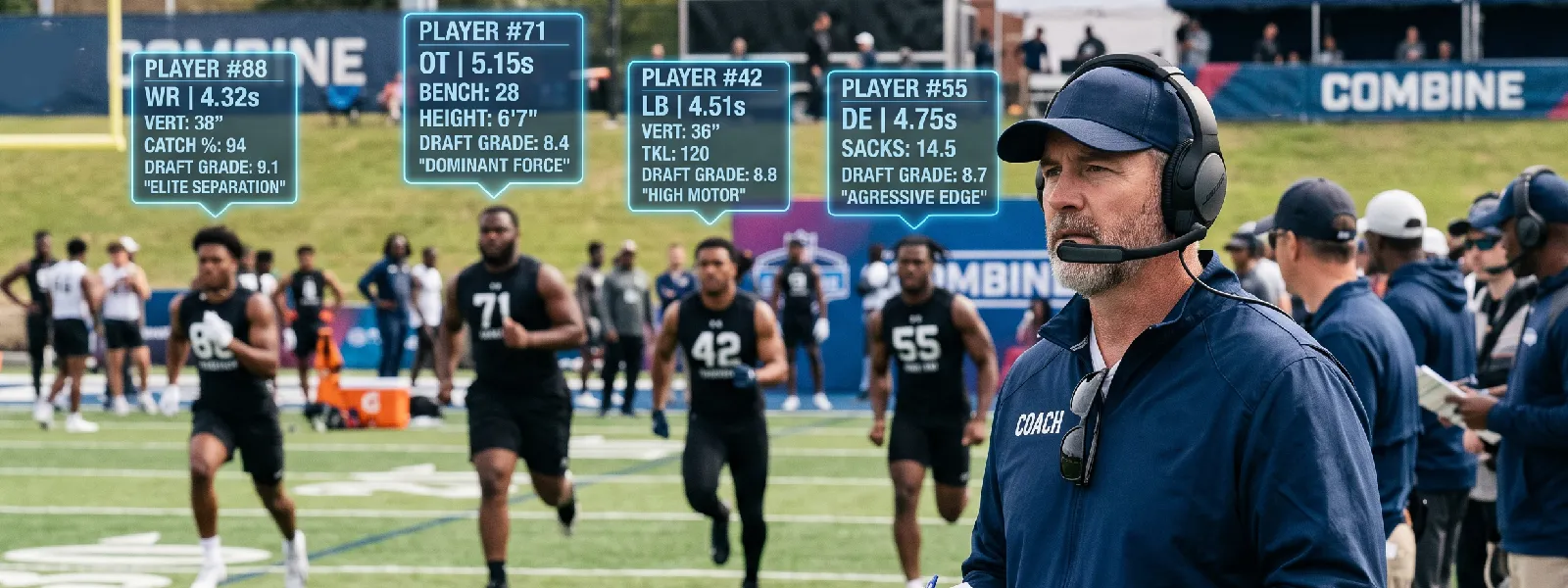
To build your dream team…remember this
Now that we are into football season, we have our eye on our favorite team, and we may even have our own fantasy football league. Yes, football is a nice pastime. We also want to win!
A championship team needs competent people who know how to work as a team. If you are a coach or in leadership and you know how to select the right people and get them to work together as a team, there are probably a lot of people who want to talk to you. Let’s talk about selecting the right people. Author Patrick Lencioni gives us a simple, reliable model about how to do this in his book, “The Ideal Team Player”. Here are the three qualities:
HUMBLE
HUNGRY
SMART
Humble means “refraining from boasting and minimizing personal accomplishments in favor of building others” Hungry means the individual has an eager desire to excel and make a contribution to the championship. Smart means the person knows how to work well with others.
It is nice if we can hire a person who is strong in all three of these qualities. Since such folks tend to be the top “draft picks”, we often have to settle for 2 of the 3. Patrick Lencioni tells us that if we only have 2 of the three, choose “eager” or “smart” as the weakest. Getting someone to be humble can be very difficult and time consuming since the cause of it often is from an insecurity from the past. If we need someone to be more motivated or have better people skills, leaders help build that all the time. The most important thing is to get the right people on your team from the beginning, and make sure they are humble!

Build the mindset of a winning team
I am an executive coach, and for over 40 years I have worked with companies and organizations to build highly-productive, winning teams. Top-notch teams are disciplined, unselfish, and hard-working. They rarely find themselves in a petty conflict. If a team wants to be the best, they have no time for such things.
As I help teams get to the highly-productive status, I coach both one-on-one and in groups. Progress needs to be measured, and one metric I use is in my one-on-one coaching calls. I always note the amount of time we spend in advancement and goal achievement, and I also identify the reason a coaching call gets bogged down. 80% of the coaching conversation should be accountability and creativity on the action plan.
When I start working with someone, the majority of the call time deals with problems with communication and personal conflict. We know how important those two factors can be. The most common reason for this is a couple of team members who are not team players. This problem must be resolved. In many cases this is a training issue. Some folks need to learn interpersonal skills. They must be willing to admit the gap, and commit to improving. Sadly, there are situations where inflexible team members are not humble enough to admit their shortcomings. These individuals are much less likely to change, and the sooner they are off the team, the better.
A winning team consists of people committed to always getting better. Remember the maxim, “Get better or get beat”!

Start on time…end on time
Early in my career, I worked for a leadership training company. One of my responsibilities was sellling training. I would set up 1/1 meetings with the decision-makers to determine their needs and look to uncover areas where we could make them more profitable from improved team performance.
I remember one of my sales calls that taught me a valuable lesson; When I am on a call, it is my responsibility to manage my time AND the decision-maker’s I am talking to. Here is how the call went: The boss and I had agreed on a 1-hour meeting. That was fine. I began my asking questions designed to discover what he needed and why it was important to him. The conversation was going well. He was engaged and on a roll. When we came close to the end of the hour mark, I continued to let him talk (not wanting to interrupt). He ran 15 minutes over our agreed upon time. No problem, right? Since he was talking it didn’t make any difference, right? WRONG! We manage the clock. We scheduled a follow-up meeting and he criticized me for running longer than we agreed to. But,but,but…Sorry, it was my fault.
As you can imagine, that hurt a little bit. I asked my mentor for advice. The advice he gave me I never forgot and alsways used. Here is what he said:
“Steve, if you agree to a specific meeting length and you get to the end and they are still rolling, stop and say, “Jake it sounds like we have found an area where I believe I can help you. We are currently at the end of the time we agreed upon for this meeting I have allowed some extra time if you would like to continue. Otherwise, we can set a follow-up meeting and continue this discussion.”
I remembered Joe’s advice and from that time on, I did not have the problem again, and the quality of my calls improved.

First two steps to building team trust
Strong leaders are good at building trust. To put it another way, “A leader is someone we want to follow”. That is easy to say, but how do we build that trust? Let’s think of the people in our lives we look up to. It is almost a sure bet that these people take the time to show a genuine interest in others. They are also excellent listeners. If we want to strengthen our trust with others and be better listeners, we can start by observing people who have developed this ability well.
Last week I was in the therapy pool at the health club. As I was doing my exercises, I heard a woman talk with great excitement about her past and future travels. As she was talking, an elderly woman entered the pool. The newcomer was quite old – my guest is she was nearly 100. She graciously engaged in conversation with the woman talking about her travels. The elderly woman had a wonderful smile that radiated her interest in listening to the “traveler”. She smiled, nodded, affirmed, and ask questions to learn and understand more. From her questions it was clear she had also done extensive travelling in her many years, yet in the 15 minutes of conversation with the traveler, the traveler never once asked the elderly woman anything about her experiences. If she had, she likely could have uncovered a wealth of valuable information that could help her plan her future travels. It was a one-sided conversation. The traveler showed no interest in the elderly lady. It was a missed opportunity.
If we want to be a strong leader, we need to make sure we show genuine interest in others. Get the other person to talk about their favorite suspect…themselves! (When was the last time you received a compliment for being a good listener?)

What our favorite teachers and coaches know
Early in my coaching career, I remember my mentor, Bob, saying, “People won’t remember what you say…they will remember what they do.” This past week I observed a powerful example of this motto being played out.
About 3 weeks ago, I read a book to my 3-year-old grandson, Josh. It was entitled, “The Hungry Caterpillar”. As you might suspect, it was the story of a caterpillar gradually turning in to a butterfly. It is quite an incredible process. We wanted Josh not just to know the process, but also experience it.
We purchased a “butterfly garden” kit. Contained in the kit were 10 larvae in specially prepared cups. The larvae ate the food in the cup and started growing. They kept growing. Josh was euphoric as he observed the metamorphosis take place. The cocoons were formed and they started to wiggle, and last Saturday we all experienced the main event: The release of the butterflies. Freedom!
Having been so actively involved in the growth of the butterfly garden, Josh now reads his caterpillar book with a new perspective. He has experienced the process, and therefore understands it at a much more instinctive level.
What Josh learned is what we all need to remember: If we want someone to grow from our teaching or coaching, get them actively involved in the “doing”. We can then create true learning.